Activities for Seniors with Visual Impairment
Visual impairment is common in later life, whether due to macular degeneration, glaucoma, cataracts, or other age-related changes. While reduced vision can affect confidence and independence, it does not mean giving up on enjoyable, meaningful activities. With the right approach, many activities can still be engaging, comforting, and confidence-boosting for seniors with visual impairment.
The key is to focus less on what someone can no longer see and more on what they can still touch, hear, smell, move, remember, and enjoy.
Why Activities Still Matter
Staying active is essential for emotional well-being, cognitive health, and maintaining a sense of purpose. For seniors with visual impairment, activities can help reduce isolation, support fine motor skills, and provide moments of pleasure and achievement.
Activities also offer opportunities for social interaction, reminiscence, and relaxation. When adapted thoughtfully, they can be just as meaningful as visually based tasks. Many of our activities are dementia-friendly.
Tactile Activities: Engaging the Sense of Touch
Tactile activities are often the most successful for people with limited vision. Hands-on experiences allow participants to explore materials directly and work at their own pace.
Rummage or sensory bags are an excellent example. Filled with familiar, everyday objects of different shapes, textures, and weights, they encourage curiosity and conversation. Items might include buttons, keys, fabric pieces, wooden objects, or household tools. Seniors can feel each object, describe it, guess what it is, or share memories connected to it.
Clay modelling is another excellent activity. Soft clay or dough is easy to manipulate and provides strong sensory feedback. There is no “right” result, which helps remove pressure. Rolling, squeezing, flattening, or shaping clay can be both relaxing and empowering, especially for those who may feel frustrated by vision loss.
Music and Sound-Based Activities
Hearing often becomes an even more important sense when vision is reduced. Music-based activities can be very enjoyable and emotionally meaningful.
Listening to familiar songs, especially from a person’s younger years, can spark memories and lift mood. Singing along, clapping to a rhythm, or gently tapping instruments such as shakers or bells adds movement and participation.
Audiobooks, poetry readings, and radio programmes are also excellent options, particularly when chosen based on personal interests.
One-to-One Activities: Quizzes and Guided Games
One-to-one activities, such as simple quizzes and guided games, are an excellent way to engage seniors with visual impairments. When questions are read aloud, there is no pressure to rely on sight, allowing the person to focus on listening, thinking, and responding at their own pace. Quizzes can be adapted easily by using precise language, offering multiple-choice answers, or turning them into friendly conversations rather than formal tests.
This individual approach allows the caregiver to adjust the difficulty level, offer reassurance, and celebrate every success. One-to-one quizzes also provide valuable social connection, helping build confidence while gently supporting memory, attention, and enjoyment.
Reminiscence and Conversation
Reminiscence activities work well for seniors with visual impairment because they rely on memory rather than sight. Guided conversations about childhood, work life, holidays, or favourite foods can be very engaging.
Using real objects as prompts—such as a baking utensil, a scarf, or a postcard—adds a tactile element that supports memory recall. Even smells, like herbs or spices, can trigger powerful reminiscence.

Group discussions, one-to-one chats, or storytelling sessions can all be adapted easily for different ability levels.
Everyday Life Activities
Meaningful activities don’t always need to be “games” or crafts. Simple, familiar tasks can be just as valuable.
Folding laundry, sorting objects by texture or size, shelling peas, polishing items, or setting a table all offer a sense of usefulness and routine. These activities support hand strength and coordination while reinforcing independence and dignity.
Clear verbal guidance and a calm pace are often more important than perfect results.
Hand Massage: Comfort Through Touch
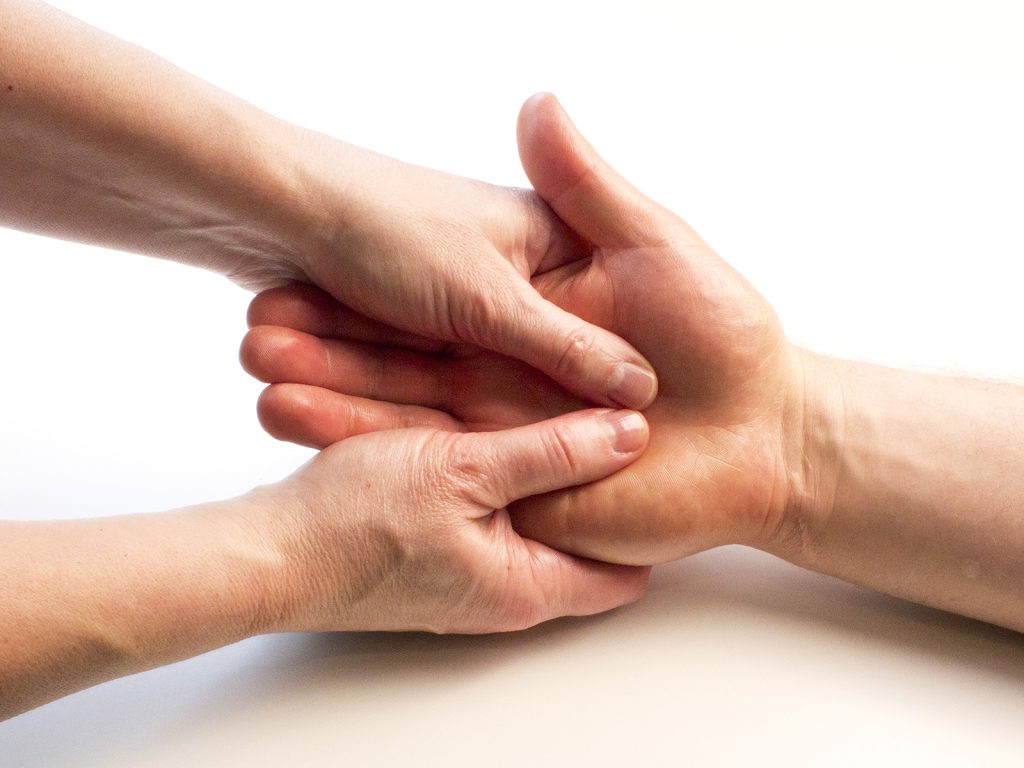
Hand massage is a gentle, meaningful activity that works particularly well for seniors with visual impairment. Touch becomes even more important when sight is reduced, and a simple hand massage can provide reassurance, relaxation, and a sense of connection. Using a small amount of hand cream or oil, slow and rhythmic movements can help ease stiffness, improve circulation, and reduce anxiety.
Many seniors enjoy the one-to-one attention and the calming effect, especially in the evening or during quiet moments. Hand massage can also be offered as a shared activity, inviting the person to massage the caregiver’s hands in return, which promotes dignity, engagement, and confidence.
Movement and Gentle Exercise
Physical activity remains essential for balance, circulation, and overall well-being. For seniors with visual impairment, movement activities should feel safe and well-explained.
Chair-based exercises, stretching routines, or guided movements with verbal cues work well. Activities such as gentle hand exercises, squeezing stress balls, or passing a soft ball from hand to hand can be done individually or in groups.
Adding music or rhythm can make movement more enjoyable and motivating.
Tips for Success
When planning activities for seniors with visual impairment, keep these tips in mind:
- Use clear verbal instructions and describe what is happening
- Offer high-contrast or tactile materials where possible
- Reduce background noise to help concentration
- Allow plenty of time—there is no need to rush
- Focus on enjoyment, not perfection
Most importantly, always respect personal preferences. What feels comforting and enjoyable to one person may not suit another.
A Final Thought
Visual impairment does not take away a person’s creativity, curiosity, or need for connection. With thoughtful adaptations and a focus on sensory-rich experiences, activities can continue to bring joy, confidence, and meaning.
Whether it’s exploring a rummage bag, shaping clay, listening to music, or sharing stories, these moments matter. They remind seniors that they are still capable, valued, and very much engaged with the world around them.
One-on-one Activity Ideas for Seniors with Visual Impairment:
Here is a nice compilation of music from the 50s and 60s.